
The brief isn’t the problem – the pressure is.
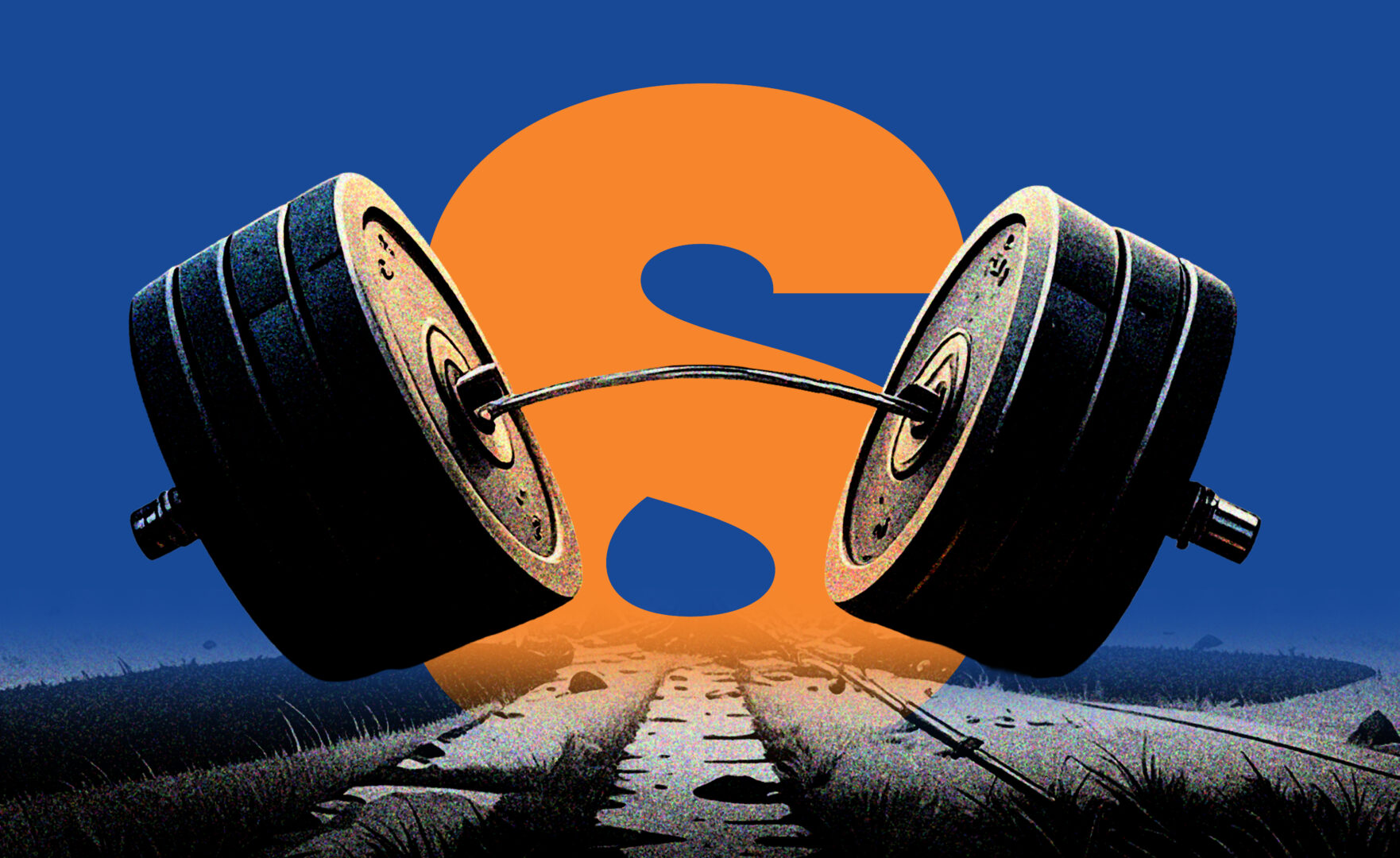
The brief isn’t the problem – the pressure is.
In busy marketing teams, speed is often treated as a virtue. Get something out. Hit the deadline. Keep things moving. On the surface, this feels efficient. In practice, rushing creative work is one of the most expensive mistakes organisations make.
Why speed feels like the right answer
Pressure rarely comes from nowhere. Campaign deadlines tighten. Stakeholders want visibility. Opportunities feel time sensitive. In those moments, creative work is often accelerated, photography shot quickly, copy simplified, video reduced to its most basic form. The goal becomes output, not outcome. The problem is that creative rarely works at the pace it’s produced. It works at the pace it’s understood.
The hidden cost of ‘just getting it out’
Rushed creative tends to underperform quietly. Ads don’t work as strongly as expected. Video struggles to hold attention and messaging needs explaining rather than reinforcing. That underperformance then creates more work. Re-edits. New versions. Additional spend. Extra rounds of approval. What looked like speed becomes inefficiency. Across photography, video, copy and advertising, the pattern is the same… creative that hasn’t had time to breathe rarely has time to succeed.
What’s more important than pace
Creative doesn’t need endless time. But it does need intent. When teams are clear on what the work needs to do and who it’s for, creative decisions become faster and stronger. Without that clarity, speed amplifies uncertainty. Rushing removes the opportunity to test ideas, challenge assumptions and refine messaging. It replaces judgement with urgency.
Feeling the pressure
For marketing managers, rushing creative is often a defensive move. There’s a sense that something is better than nothing and that delay will be questioned. But creative work that doesn’t quite land still attracts scrutiny. It still uses budget. And it often erodes confidence rather than building it.
The real tension isn’t speed versus slowness. It’s getting something out versus getting it right enough to work.
Getting your frogs in a row
Sometimes the best thing to do is slow down to move forward. The strongest creative teams aren’t slow. They’re deliberate.
They know when to move quickly and when a pause will save time later. They protect the thinking stage so execution can be decisive. They understand that momentum comes from clarity, not haste.
Rushing feels productive. But creative that’s given just enough time to be considered, confident and clear will always outperform work that simply made it out on time.
And in the long run, it costs far less.